

From January 11 to 13, 2026, President Huang Yan of China Three Gorges University (CTGU) led a delegation to visit Macau University of Science and Technology (MUST) to strengthen academic collaboration. The delegation was warmly received by Chair Professor Joseph Hun-wei Lee, Chairman of University Advisory Committee, Director of the Key Laboratory of River Basin Digital Twinning of Ministry of Water Resources and Chief Scientist; Professor Sun Qiao, Dean of Faculty of Innovation Engineering; Professor Li Xiaodong, Assistant Dean; Professor Ma Yibing, Head of the Department of Environmental Science and Engineering; Professor Niu Jun and Assistant Professor Zhang Kai from the Department of Environmental Science and Engineering; Professor Zhang Tao and Assistant Professor Lin Cheng from the School of Computer Science and Engineering; Research Assistant Professor Qiao Qingsong from the Macao Environmental Research Institute; and Consultant Wu Xiaoning from the Industry-Education Integration and Development Office.
The delegation from CTGU included Professor Ji Daobin, Director of Three Gorges Digital Intelligence Research Institute, and Dr. Li Xiaolong, Director of Product R&D Department, Three Gorges Digital Intelligence Research Institute. Upon arrival on January 11, the guests visited the Inner Harbor Pier accompanied by Chair Professor Joseph Hun-wei Lee, Professor Niu Jun and Assistant Professor Lin Cheng to learn about Macao’s water-related facilities and infrastructure.
On January 12, the delegation visited University History and Achievements Exhibition Hall, the State Key Laboratory of Mechanism and Quality of Chinese Medicine, the State Key Laboratory of Lunar and Planetary Sciences, the National Observation and Research Station of Coastal Ecological Environments in Macao, and MUST LIU’s Innovation and Technology Center. Following the visit, both sides held two thematic academic exchange sessions of “Environmental Water Conservancy” and “Digital Twin.”
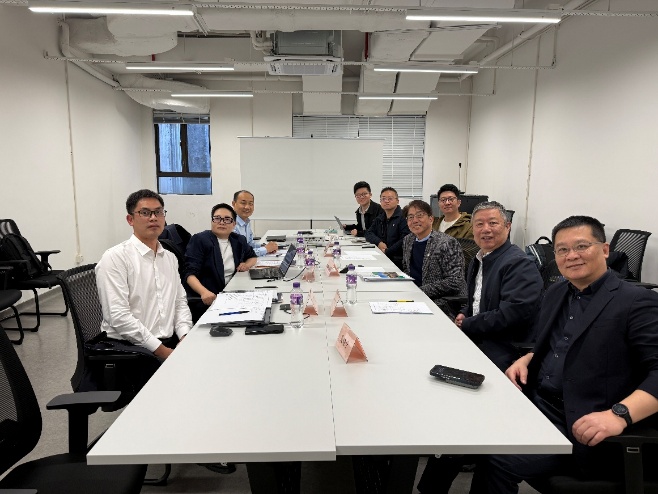
Academic Exchange Sessions
On January 13, a joint seminar was held to discuss on the collaborative project “Digital Twin Research on Coastal Zone Ecological Environment—Taking Harmful Algal Blooms as an Example.” The discussion focused on technical approaches such as data integration, intelligent sensing, and simulation-based decision support.
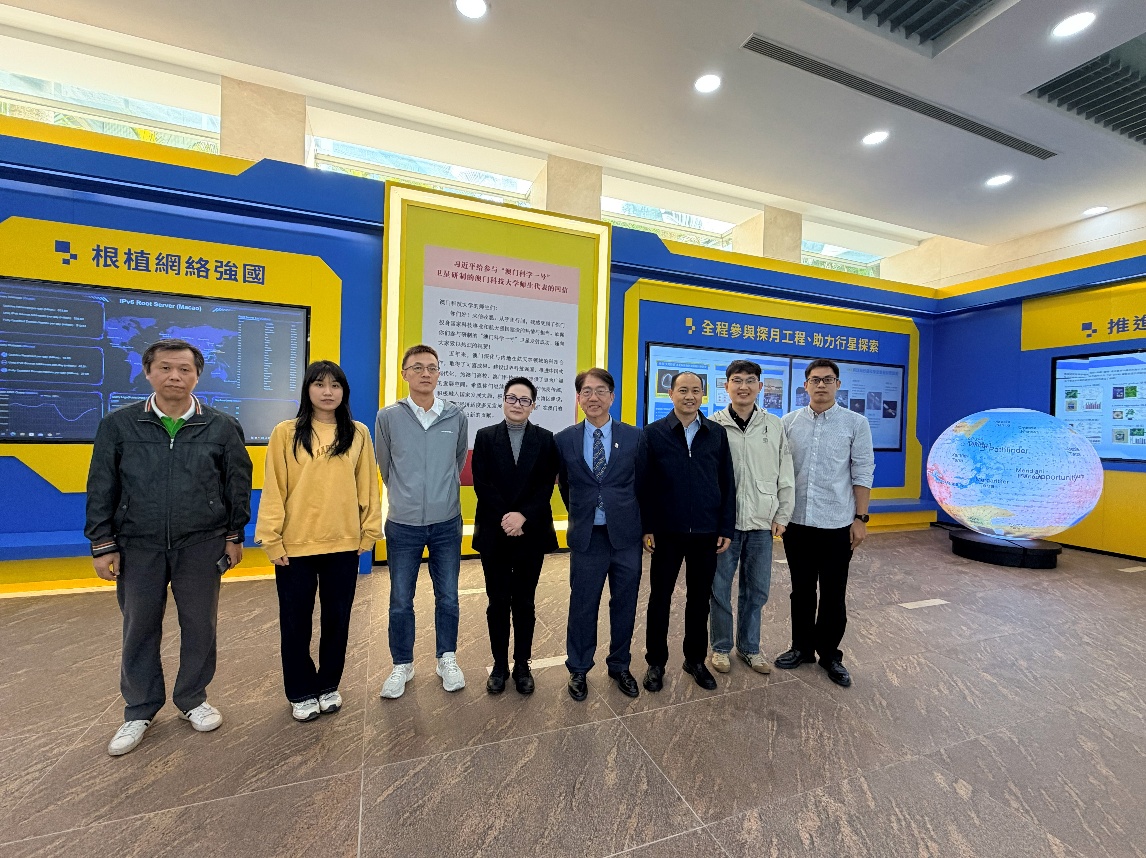
Group Photo of Delegates
This visit not only strengthened strategic alignment between CTGU and MUST in areas such as hydraulic engineering, environmental monitoring, digital twin watershed modeling, and coastal ecological risk management, but also advanced cooperation in scientific research, joint talent cultivation, and technology transfer. Both institutions aim to contribute to ecological civilization and high-quality development in the Guangdong-Hong Kong-Macao Greater Bay Area and the Yangtze River Basin, while laying a solid foundation for future collaboration.

